Human‑centered technology for emotional and social health

We design digital tools that extend human care, making support, reflection, and connection easier to access every day.

A sleek, matte-white tablet lies on a light oak desk, its screen displaying an abstract, softly colored network of interconnected shapes suggesting emotional, social, and psychological data without using text. Around it sit a pair of over-ear headphones, a small sand timer, and a ceramic mug with subtle glaze, all meticulously arranged. Late-afternoon natural light streams through an unseen window, creating gentle highlights on the tablet’s edge and soft shadows across the desk. Photographic realism, shot at eye level with a shallow depth of field so the interface glows in crisp focus while the surroundings blur slightly. The mood is calm, professional, and reassuring, conveying psychosocial technology as warm, human-centered support rather than cold machinery.
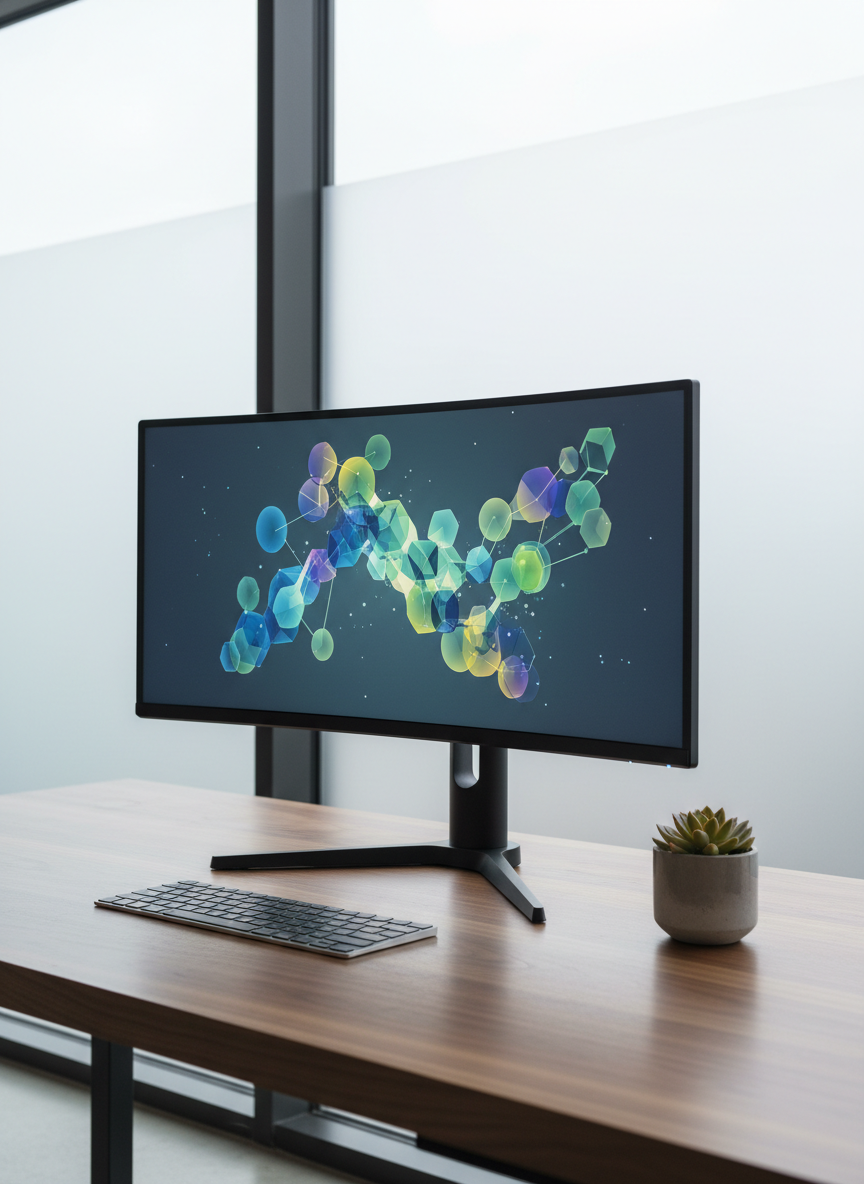
A curved, ultra-wide monitor on a minimalist black stand shows a stylized, colorful visualization of social connection as interlocking geometric forms, suggesting community wellbeing and psychological support. The monitor rests on a spacious walnut workstation with a slim wireless keyboard and a small, thriving desk plant in a concrete pot. Soft, overcast daylight diffuses through frosted glass behind the setup, eliminating harsh contrasts while creating delicate reflections on the screen’s surface. Photographic realism, composed using the rule of thirds from a slightly elevated angle to emphasize open space and clarity. The atmosphere feels balanced, thoughtful, and trustworthy, illustrating psychosocial tech as a clear, structured way to understand and nurture emotional and social health.

About

Psychosocial Tech brings together psychology, design, and technology to create supportive experiences that honor people’s dignity, autonomy, and diverse ways of relating.

Services
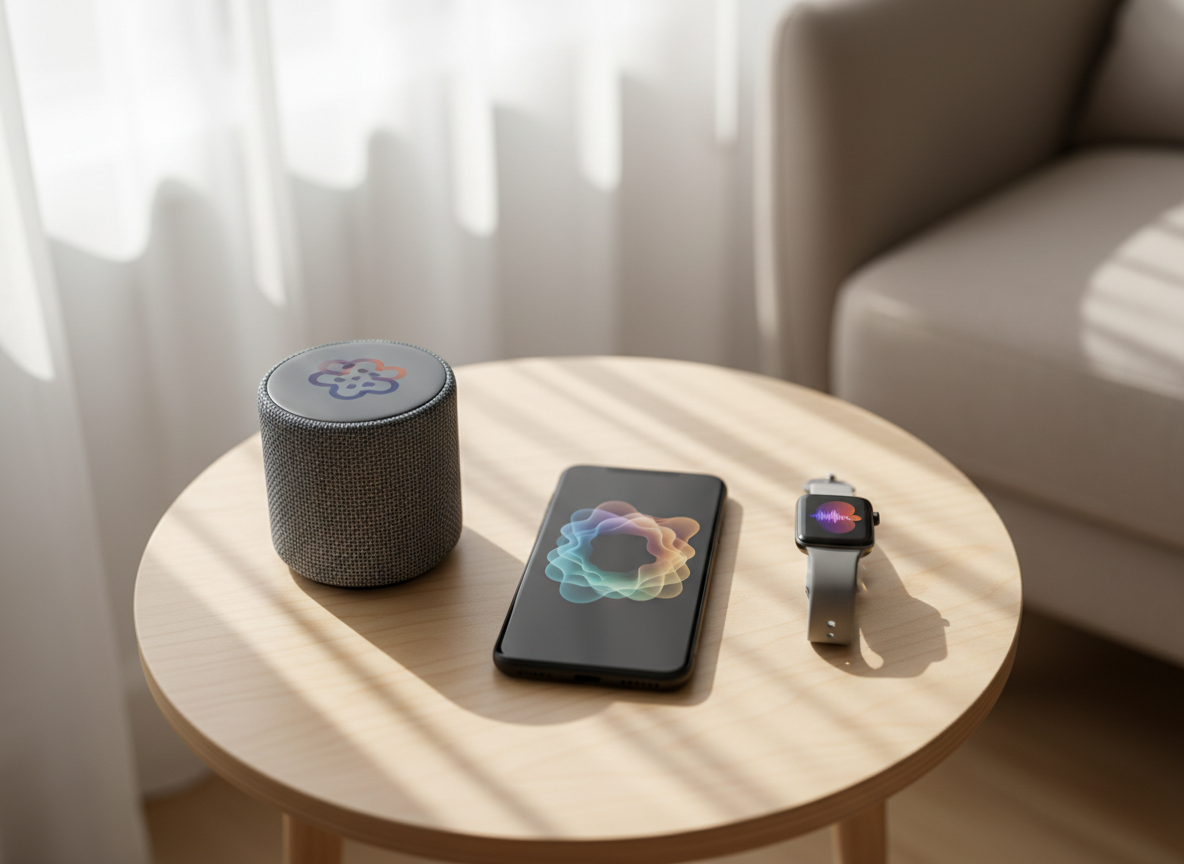
A cluster of smart devices—an elegant matte-black smartphone, a slim smartwatch with a soft silicone band, and a compact smart speaker with woven fabric texture—rests on a round, pale birch side table beside a cozy armchair. Each device shows subtle, icon-based visualizations of mood and social interaction, carefully abstracted with shapes and colors, no text or faces. Early-morning sunlight filters through sheer curtains, casting dappled patterns across the table and highlighting the devices’ contours. Photographic realism, shot from a three-quarter top-down angle with gentle bokeh on the armchair and room beyond. The mood is intimate yet professional, hinting that psychosocial technology quietly integrates into everyday life, supporting emotional and social wellbeing in the background.

Co‑designing digital support journeys with clinicians, caregivers, and communities to align technology with real psychosocial needs.
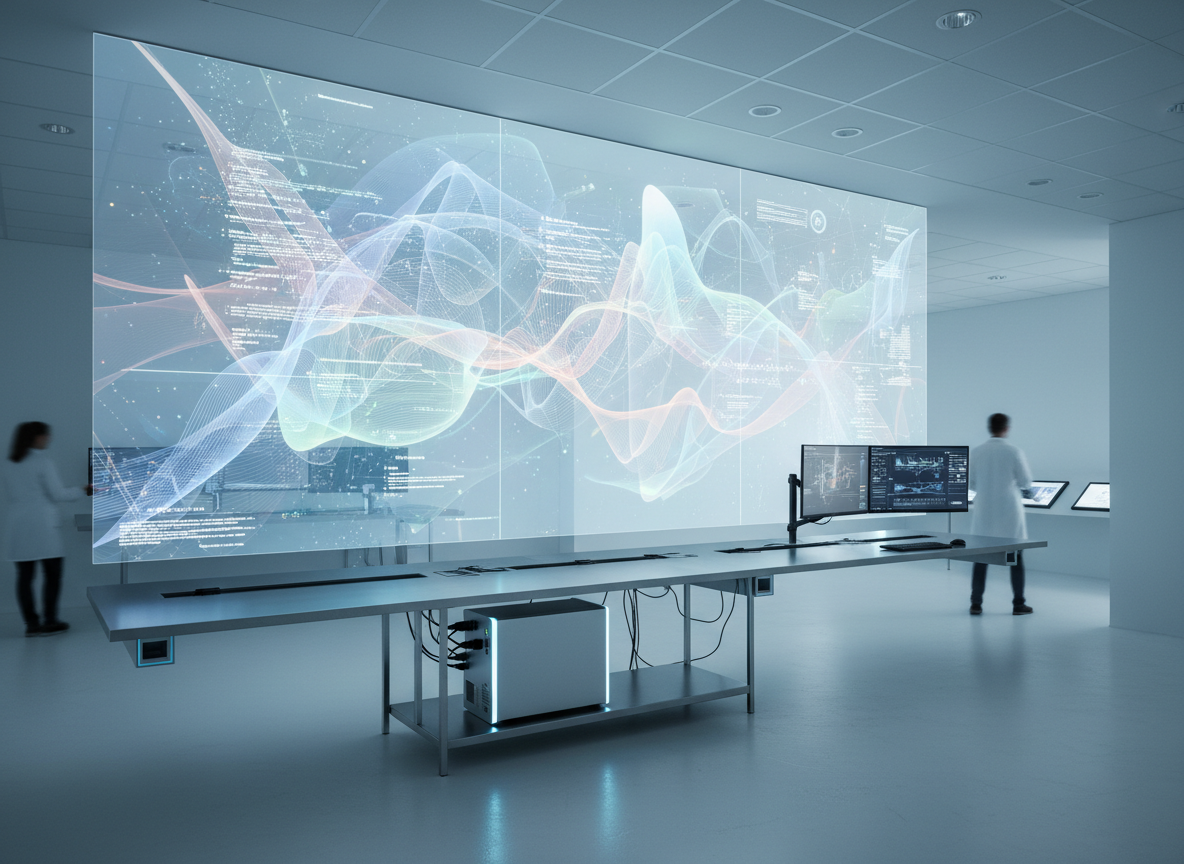
Inside a modern research lab, a large transparent wall display hovers above a sleek workstation, showing intricate, non-figurative patterns that represent psychological resilience, social networks, and emotional trends through gradients and flowing lines. Beneath it, a powerful but understated workstation tower with subtle LED accents sits on a steel shelf, cables neatly routed. Cool, even ceiling lighting combines with a soft glow from the display, creating a clean, clinical yet hopeful ambiance. Photographic realism, captured from an eye-level, slightly wide-angle perspective to show the scale of the data wall and surrounding environment. The composition feels precise and analytical but not sterile, embodying psychosocial tech as rigorous science focused on real-world human wellbeing.

Building simple, trauma‑aware interfaces that reduce friction, invite reflection, and keep people, not features, at the center.
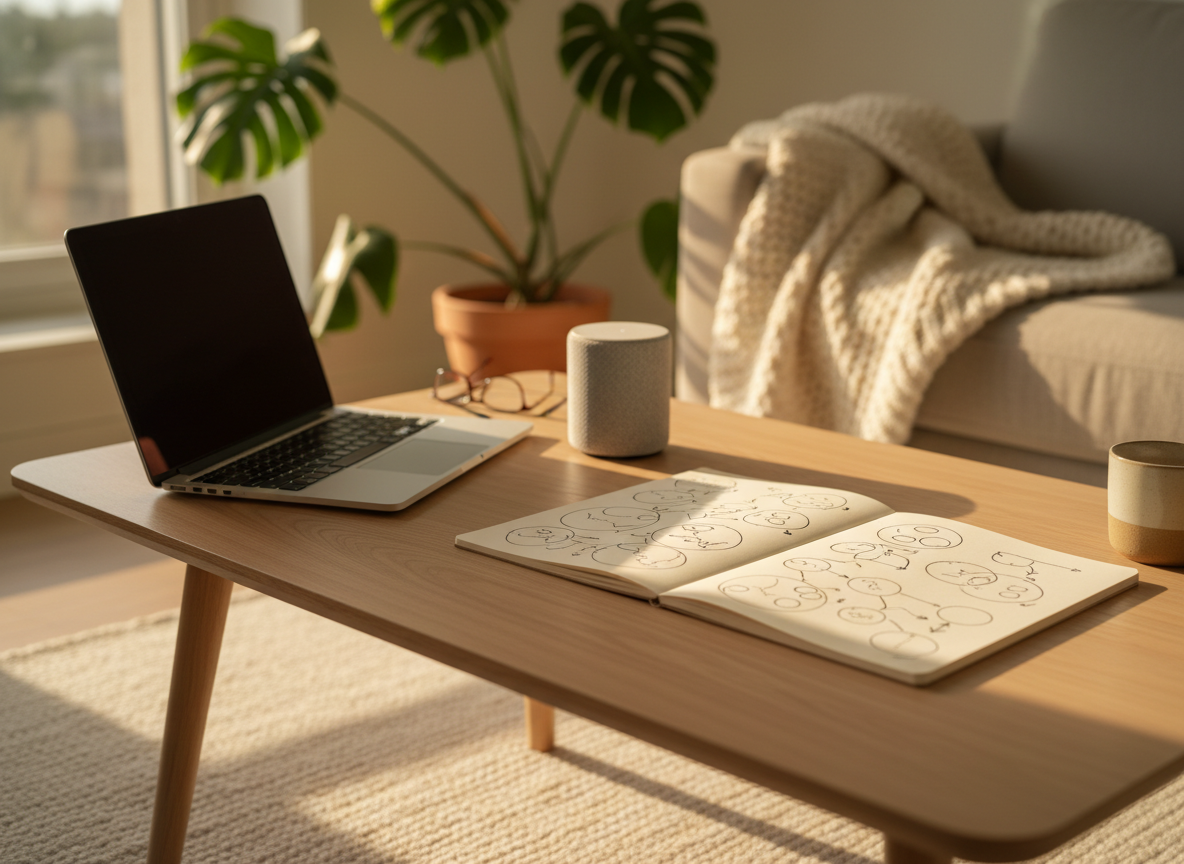
A comfortable living room scene centers on a low, ash-wood coffee table holding a slim laptop, a small fabric-covered smart hub, and a notebook open to hand-drawn diagrams of overlapping circles and arrows, symbolizing social and emotional dynamics without text. A large, leafy plant and a softly textured throw blanket are visible in the softly blurred background. Warm golden-hour sunlight pours in from the side, wrapping the objects in a gentle glow and creating long, soft-edged shadows. Photographic realism, framed at coffee-table height with a shallow depth of field that makes the digital devices and analog notes feel equally important. The mood is grounded, approachable, and optimistic, showing psychosocial technology as something that fits naturally into everyday, emotionally healthy home life.

Prototyping and evaluating tools ethically, using data to improve care quality while protecting privacy and strengthening trust.
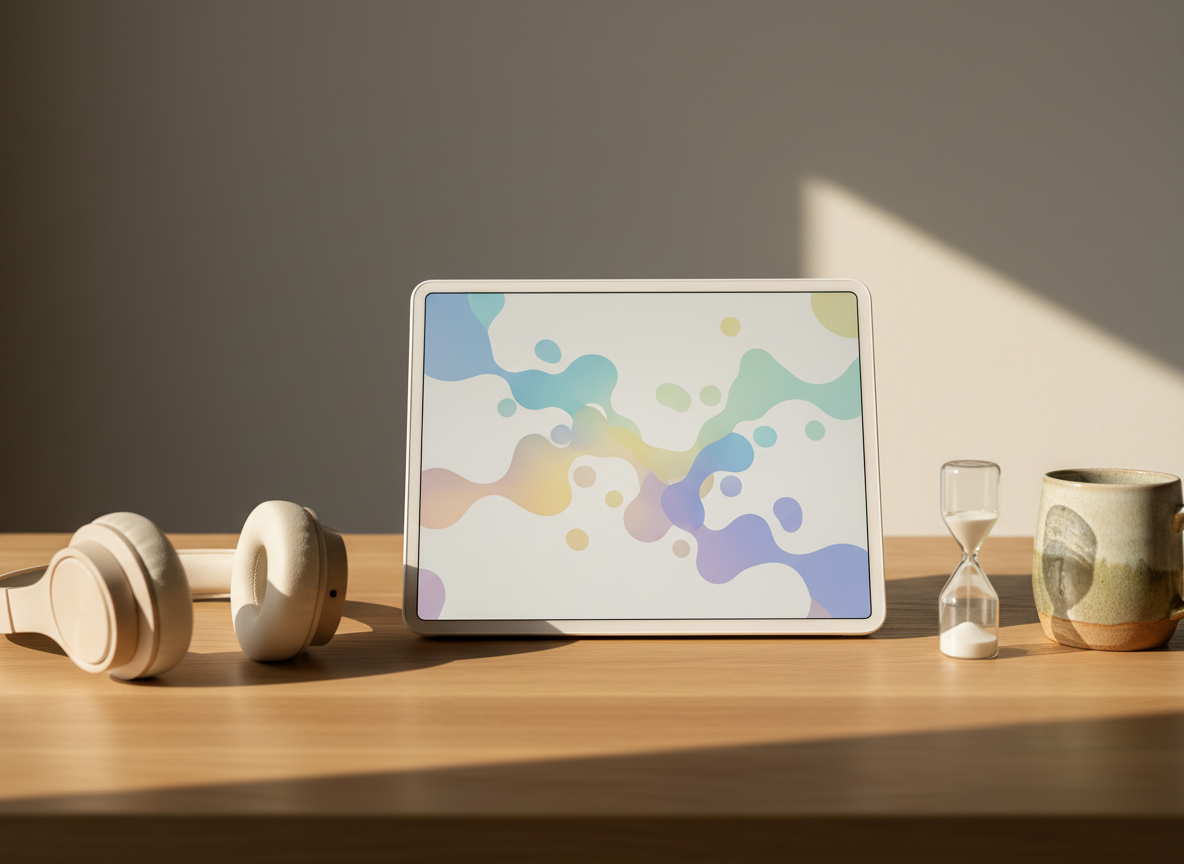
A sleek, matte-white tablet lies on a light oak desk, its screen displaying an abstract, softly colored network of interconnected shapes suggesting emotional, social, and psychological data without using text. Around it sit a pair of over-ear headphones, a small sand timer, and a ceramic mug with subtle glaze, all meticulously arranged. Late-afternoon natural light streams through an unseen window, creating gentle highlights on the tablet’s edge and soft shadows across the desk. Photographic realism, shot at eye level with a shallow depth of field so the interface glows in crisp focus while the surroundings blur slightly. The mood is calm, professional, and reassuring, conveying psychosocial technology as warm, human-centered support rather than cold machinery.

Advising organizations on integrating psychosocial technology into existing services, training teams, and measuring impact over time.

Insights

Testimonials

Clinician

Psychosocial Tech helps my clients stay supported between sessions without replacing our therapeutic relationship.

— Aya Nakamura

Community Partner

Their tools made it easier for isolated residents to connect, share feelings, and access gentle, on‑demand support.

— Mateo García

HR Director

We introduced one platform and immediately saw more check‑ins, fewer crises, and richer conversations about wellbeing at work.

— Lila Patel

Contact us

Reach out to explore collaborations, request a demo, or ask questions about applying psychosocial technology in your setting.

← Back

Thank you for your response. ✨